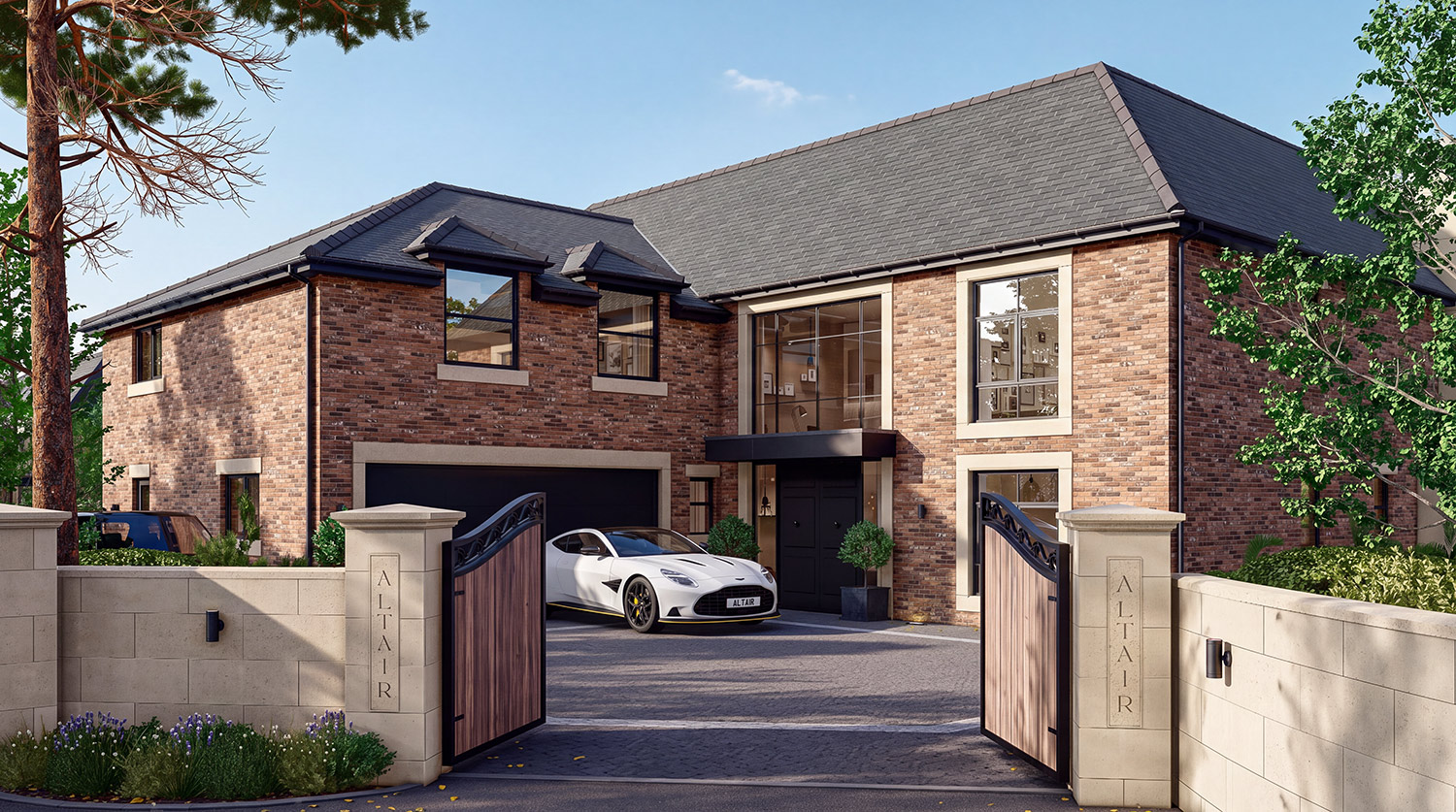
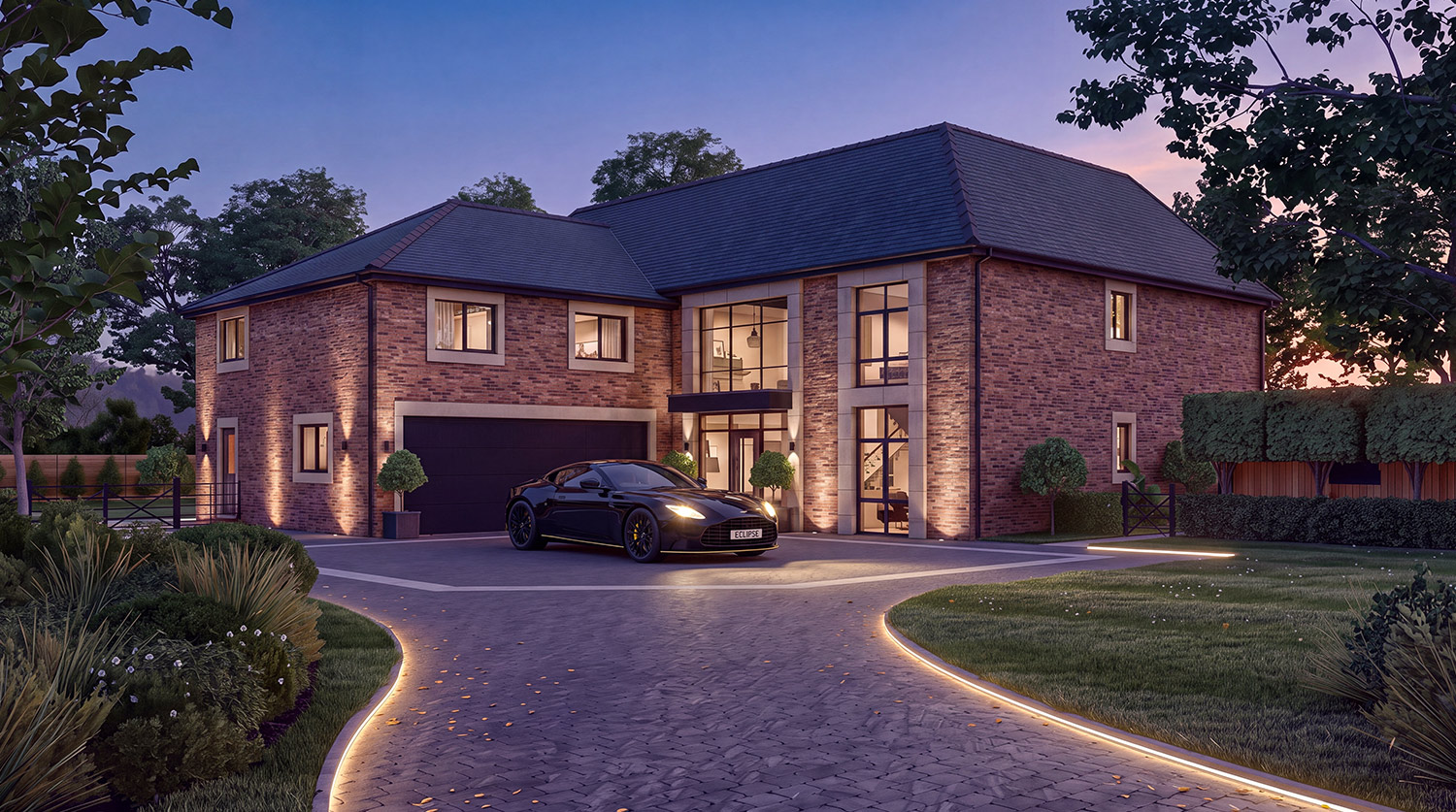
Elegance in a courtyard comes from thoughtful restraint, not filling every corner. The strongest executive courtyard garden ideas combine a clear focal point, a coordinated palette of two or three colours, and layered planting that draws the eye upwards. A central tree, sculptural feature or inviting dining space can give the garden its defining character.
It’s natural to want a courtyard that feels both private and spacious, with room to sit, dine and enjoy the planting. Make every element work hard: climbing plants soften boundaries, pale surfaces help brighten the space, and carefully placed furniture preserves a sense of openness.
Explore planting choices, contrasting design styles and ideas for outdoor dining and cooking, then see how a private courtyard garden case study brings these principles to life. Together, they offer inspiration for shaping an elegant outdoor setting that feels connected to the home and distinctly your own.
Key Takeaways
- Use walls, trellises and overhead structures to add height and greenery while preserving valuable floor space.
- Choose a focal point, then layer soft lighting and a firepit to create an inviting atmosphere after dusk.
- Plan dining and cooking zones around the courtyard’s light and shadows, with compact furniture that keeps movement comfortable.
- See how a private garden case study brings planting and hard landscaping together to make a courtyard feel considered and personal.
1. What can I plant in a courtyard garden?
Choose planting to suit the courtyard’s aspect, available light and routes beside walls. A climber should suit the wall conditions without obstructing access. Star Jasmine, also known as Rhynchospermum jasminoides, offers evergreen foliage and perfumed white flowers.
Think vertically to make a compact garden feel more generous. Trellises and wall shrubs add greenery without taking up valuable floor space. Overhead beams can support climbers, while hanging pots or a living wall bring planting above seating and dining areas.
Strong vertical lines draw the eye upwards. Place large-leaved plants beside a wall or boundary to add height, form and seclusion. Tiered planters behind a bench create further levels for varied planting, including climbers. Keep the floor open for movement and furniture.
In a shady courtyard, white flowers can lift the space visually, while pale surfaces reflect available light. Combine evergreen structure with seasonal foliage to maintain shape throughout the year and add changing colour as plants develop. Evergreen planting around seating can also create a more secluded feeling in winter.
Gravel, stone and brick offer distinct textures for paving, while metal and wood introduce contrast. Choose materials that complement the home and suit how you will use the courtyard. Reclaimed York stone, for example, gives paving a timeworn character.
The cost to design and build a courtyard garden depends on its size, access, paving, planting and any structures. The price depends on the project and is given after a quote request.
For privacy and shelter, grow climbers on trellises or boundaries, and use evergreen planting around seating. Overhead beams can support greenery above, creating a sheltered quality without filling the floor.
Maintenance includes watering containers, pruning climbers, removing spent foliage and clearing leaves from paving. Check trellises and beams as plants grow, and refresh seasonal planting to keep the design composed.
2. What are some design styles for courtyards?
An executive courtyard design pairs a clear focal point with considered materials, planting and seating. Start by deciding how the space should feel: dark walls and jungle-style foliage create drama, while curved paving can give a contemporary garden a softer rhythm. Keep the scheme balanced, so one statement piece leads rather than competes with several others.
A central feature draws the eye into the garden and gives the layout purpose. Choose a sculpture, tree, water feature or table as the anchor, then arrange seating and planting around it. Curved paving can frame a dining table, while rounded planting echoes the same shape. This creates a beautiful, coherent garden look without crowding the centre.
Water brings movement and reflected light. A gently moving feature can create a calm focal point; positioning it slightly out of immediate view makes discovering it part of the experience. For a more intimate mood, place a firepit beside seating as an evening centrepiece. Keep paths clear between the house, chairs and focal feature.
Lighting shapes the courtyard after dusk. Use soft, directed lights to illuminate a dark corner, wall or route to seating, rather than flooding the whole space. A discreet beam can highlight a sculpture, while low-level light near a water feature brings out its movement. Mirrors can reflect natural light and help the garden look bigger during the day.
UK planning rules can apply depending on the property and proposed work to walls, paving or water features. Treat these elements as part of the wider property design, bearing in mind that the location and nature of the alteration shape the relevant considerations.
For inspiration, explore courtyard design ideas that balance distinctive architecture with a considered outdoor setting.
3. Alfresco dining and outdoor cooking
Plan outdoor dining around the courtyard’s light and shadows. Observe where sunlight falls at lunchtime and where evening shade settles, then position the table accordingly. Keep the route between the kitchen door and dining area clear. A compact layout makes carrying dishes outside easier and preserves room for cooking, seating and movement.
Place the outdoor preparation area close to the dining zone without making either feel crowded. A dedicated surface for serving dishes can connect the two activities. Consider how smoke and prevailing breezes move through the courtyard before choosing where to cook. Keep the arrangement practical, with an unobstructed route indoors.
Materials and colour can transform a terrace into a natural extension of the home. Repeat an interior flooring finish, timber tone or paint colour to create a visual link. For example, a warm neutral from the kitchen can reappear in outdoor cushions or planters, giving the courtyard a composed, connected character.
Canopy trees bring a sense of enclosure above a dining table. In a small garden, umbrella-style trees can grow branches that meet overhead, creating a leafy ceiling. Four plum trees planted in a square can form a canopy over outdoor dining. Their structure frames the table, while seasonal foliage changes the garden’s character through the year.
Choose furniture to suit the available floor area. A slim two-seater bench offers a lighter alternative to bulky chairs or a garden sofa, especially beside a narrow terrace wall. Pair it with a table that allows comfortable movement around the dining area. The result feels deliberate, not overfilled.
Before fixing the layout, view the courtyard from the kitchen and dining room. Aligning the table, canopy and doorway creates a clear sightline between inside and out. This makes outdoor dining a considered continuation of daily living, rather than a separate corner used only on fine days.

4. Private courtyard garden case study
A Spitalfields house built in 1717 shows how existing architecture can guide a courtyard scheme. Its north-facing garden uses reclaimed York stone, connecting the paving to the building’s historic character. The lesson is to begin with the house: choose materials and planting that respond to its aspect and established details.
Garden designer Angel Collins recommends limiting hard landscaping to no more than three elements in a Spitalfields courtyard. That restraint helps each surface retain its own presence. For your own design, select a small material palette, then use planting to add texture and interest without introducing another competing finish.
In a private garden in Hampstead Garden Suburb, planting takes precedence over hard landscaping. The same variety of Boxwood Shrub appears at intervals, helping the garden feel longer. Repeating a plant can create visual rhythm, guiding the eye through a compact space rather than towards its boundaries.
Hare Court in London is surrounded by high buildings on four sides. Its redesign uses a meandering pathway, with wider sections that make room for seating. This approach breaks up a direct view across the garden and creates places to pause. A curved route can make a small courtyard feel less like a corridor.
Furniture placement can also change how open a courtyard feels. Positioning seating at the boundary leaves the centre available for movement or planting. Built-in perimeter benches can provide storage and free central floor space, while floating benches leave the area beneath visible, making the layout feel lighter.
A 17th-century Cotswold barn transformed into a modern dwelling offers another useful design context. Here, the courtyard can mediate between historic architecture and contemporary living. Choose one feature that links both, such as a restrained stone surface or a deliberate planting structure, then let other details support it.
Use these examples to shape a courtyard around its architecture, light and daily use. Explore courtyard home design to consider how an outdoor space can belong naturally to the home.
Pimlico Homes: Luxury Detached Homes
Pimlico Homes offers executive courtyard homes for those seeking an outdoor retreat that shapes everyday living. A courtyard can bring natural light and planting into a home’s layout, creating a private setting for quiet mornings, dining or entertaining. Consider how the garden connects with the surrounding rooms and which features matter most when choosing a home.
For a different architectural direction, Pimlico Homes also offers luxury detached homes, bespoke luxury homes and luxury barn conversions. Each offers a distinct context for considering how indoor and outdoor spaces might relate.
Explore the homes at pimlico.homes or contact Pimlico Homes to discuss your next step.
Shape a courtyard home around the way you live
The most enduring executive courtyard garden ideas begin with how you want to live, not with a particular feature. Consider whether your outdoor space should offer a quiet place to pause, a setting for gathering or a stronger connection between rooms. That intention can guide your choice of home, helping the courtyard feel integral to its architecture and your daily routine.
Pimlico Homes offers Executive Courtyard Homes, Luxury Detached Homes and Bespoke Luxury Homes for distinct ways of imagining home. If a courtyard-led setting is part of your next move, contact Pimlico Homes about your garden and explore how your preferred outdoor living could shape the home you choose. A clear vision is a thoughtful place to begin.
Frequently Asked Questions
What are some design styles for courtyards?
Courtyard styles range from formal and architectural to relaxed and richly planted. For a tailored look, repeat a simple paving pattern and choose furniture with clean lines; for a softer mood, vary plant shapes and use natural-textured finishes. The most successful executive courtyard garden ideas suit the home’s architecture and how you plan to use the space, rather than following a style in isolation.
What can I plant in a courtyard garden?
Choose plants according to the light, shelter and room available in your courtyard. In a shaded corner, ferns can bring texture, while a sunny wall may suit flowering climbers. Combine contrasting leaf shapes for interest without relying on a long list of varieties. Before planting, consider mature spread and height so foliage does not obstruct doors, paths or windows.
What are the best plants for a small UK courtyard garden?
Choose plants that suit the courtyard’s conditions and earn their place through form, foliage or flowers. A compact evergreen shrub can provide structure, while seasonal flowers in a pot bring a changing accent. In a sheltered spot, a climber can use a wall rather than valuable floor area. Match each plant to its light exposure and available container depth.
How can you maximise space in a compact courtyard garden?
Keep the centre clear and give each feature a defined position. A wall-mounted table can make a narrow dining area more adaptable, while a bench with storage helps reduce loose items. Choose furniture that leaves an easy route between the house and seating, and use a consistent paving direction to guide the eye. A clear view across the courtyard can make its layout feel more open.
What lighting ideas create an elegant courtyard garden at night?
Use lighting to reveal selected details rather than making every surface equally bright. A discreet light near a doorway can clarify the route outside, while a softly lit plant or textured wall adds depth. Position fittings to avoid glare from seating and interior windows. A considered mix of functional and accent lighting lets the courtyard retain its atmosphere after dark.
What are the best water features and focal points for a courtyard garden?
Choose a focal point in proportion to the courtyard, visible from the rooms overlooking it. A small, gently moving water feature can provide sound and movement; a sculptural object or carefully placed tree offers a quieter alternative. Keep the surrounding area uncluttered so the feature reads clearly. Consider its position relative to seating, windows and the main garden entrance.