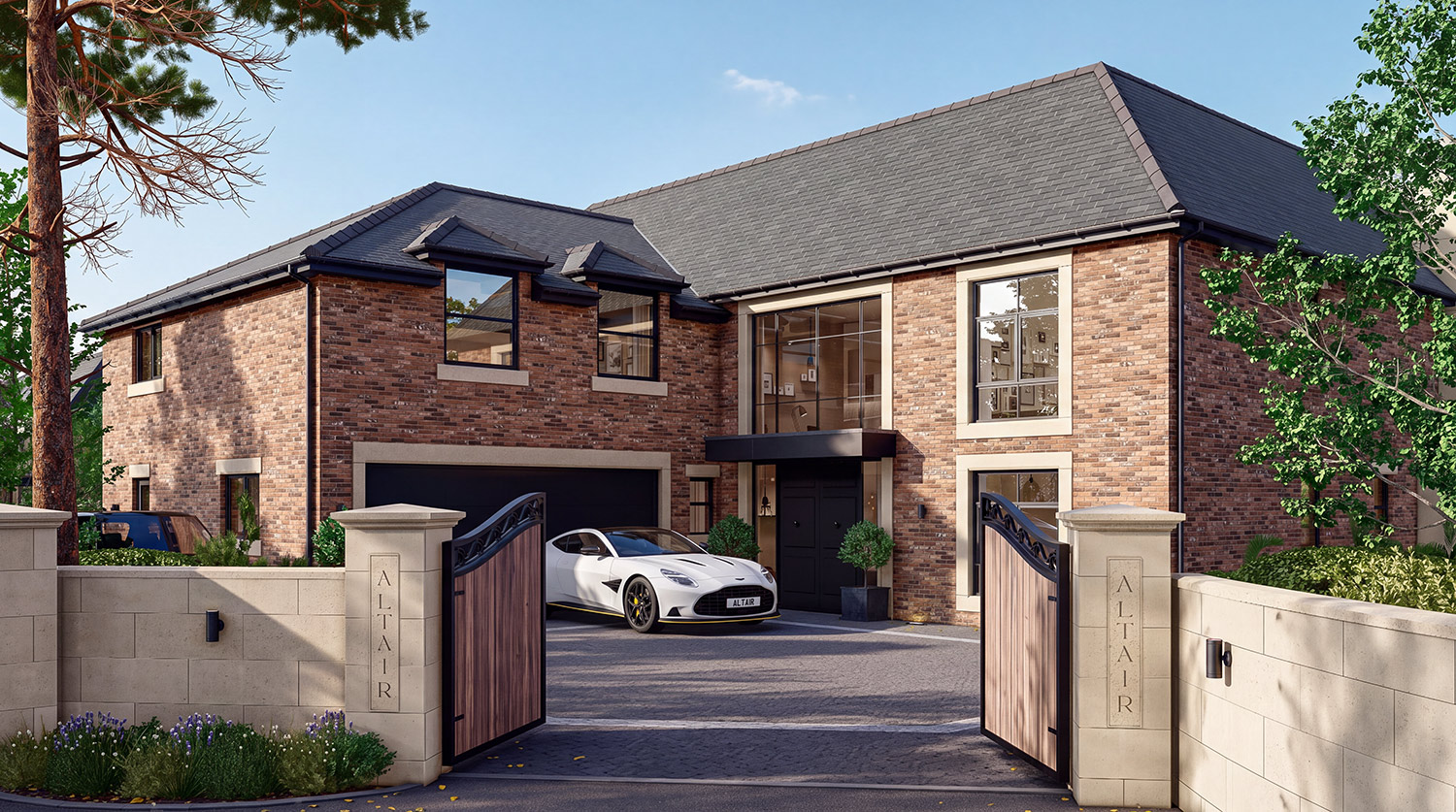
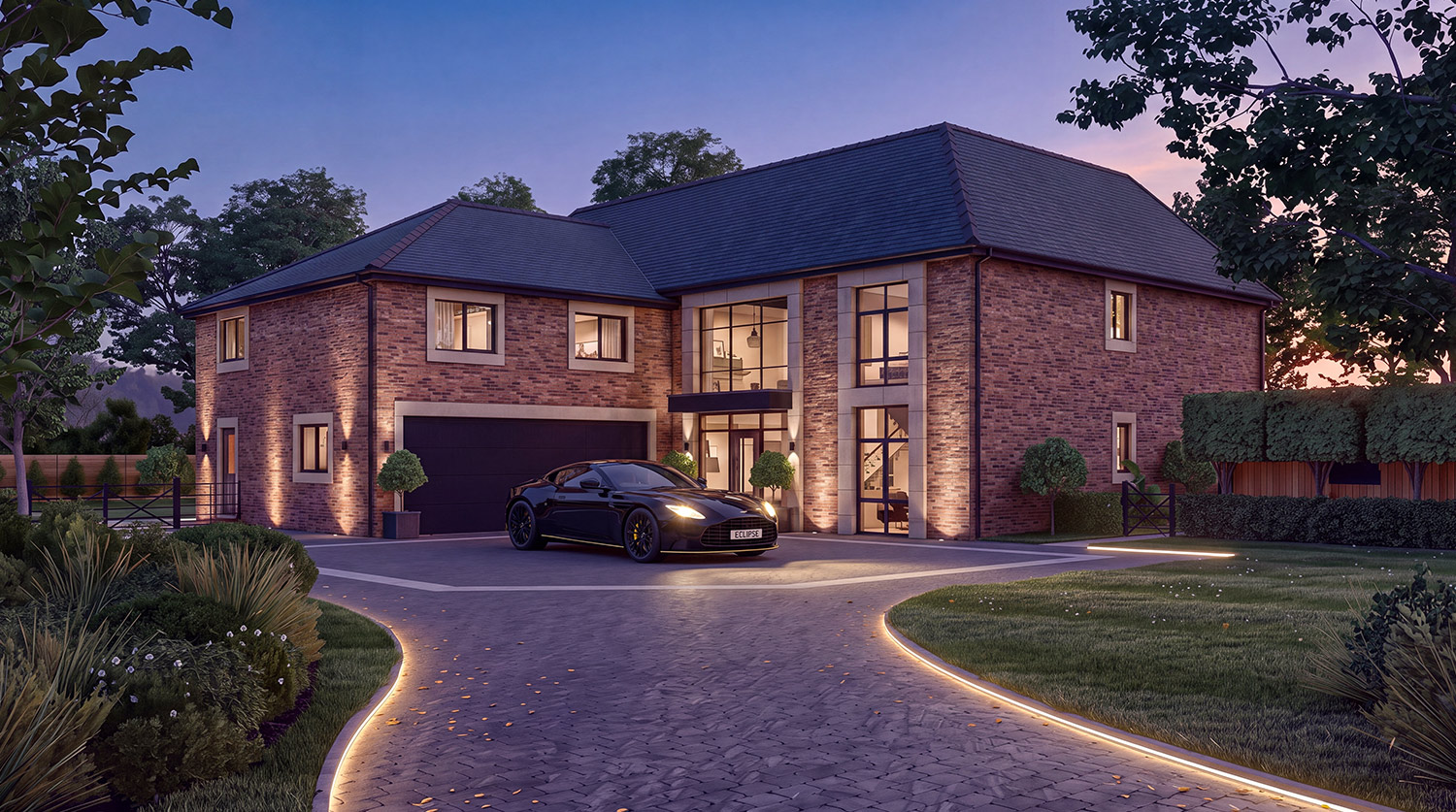
A considered connection to nature begins with architecture, not a collection of houseplants. In biophilic design in luxury new build homes, daylight, ventilation, orientation, natural materials and usable outdoor space work together to bring the natural world closer to everyday living. Planting can add life and texture, but it’s the thoughtful relationship between indoors and out that gives the approach its substance.
Natural light, garden views and tactile materials can make a home feel connected to nature. In biophilic design in luxury new build homes, the practical details matter as much as the visual effect: how sunlight moves through each room, whether doors open onto outdoor space, and how planting will be cared for over time.
This article explains what biophilia means and how it can shape a luxury new build. It explores architectural choices, natural and reclaimed materials, the value of light and outdoor space, and the maintenance implications of more elaborate greenery, so you can weigh the design as a whole.
Key Takeaways
- Prioritise daylight, ventilation and orientation as lasting design foundations; treat planting as an element that needs a practical care plan.
- Assess outdoor space by how comfortably it can be used, not simply by how it looks from inside.
- Explore timber, stone, wool and other natural or reclaimed materials for their texture and character, considering how they will suit daily life.
- Weigh the upkeep of features such as vertical gardens and water features alongside the atmosphere they bring to a home.
Does biophilic design add to maintenance costs?
Compared with standard luxury design, biophilic design gives daylight, airflow, views, planting and natural materials deliberate roles from the outset. Marble finishes and statement lighting can still feature, but timber, stone and garden-facing rooms connect interiors more directly with nature. The distinction is integration, not simply adding plants after completion.
UK building regulations and planning requirements depend on the feature, property and site. Extensive glazing, roof planting and water features can affect structural design, drainage or a building’s external appearance. These considerations sit alongside the relevant building-control and planning requirements, as no single rule covers every biophilic feature.
There is no standard price for biophilic features in a UK new-build home. Cost depends on the design and scale, including whether planting needs specialist irrigation, access equipment or ongoing care. A simple arrangement of potted plants has different maintenance needs from a living wall, indoor tree or atrium planting; pricing depends on the project and is provided after a quote request.
Start with the architecture. A well-positioned indoor tree or a few statement plants can bring shape and life without filling every surface. Living walls and extensive indoor planting create a stronger visual effect, but need suitable light, watering and regular care. Some house plants can help cleanse contaminated air, but results depend on the plant and its growing conditions. Choose species for the light available, then plan who will maintain them.
Natural materials also have distinct care needs. Timber may need suitable cleaning and protection, while the texture and variation of stone and handmade ceramics are part of their appeal. Match materials to their location and everyday use, rather than choosing on appearance alone. For outdoor planting, consider the UK climate; indoors, account for the conditions where each plant will grow. A shaded room and a bright conservatory call for different choices.
Long-term value of natural light and outdoor space
Natural light, greenery and usable outdoor space connect a home with nature. Their value lies in everyday comfort and enduring design appeal.
Natural Light and Outdoor Space
Natural light and accessible outdoor areas bring daylight and fresh air into daily routines. Well-positioned glazing can brighten living spaces and frame garden views, with its design also taking account of overheating. Sliding doors can create a direct route from a sitting room to a terrace, while a courtyard can offer a sheltered place to sit. These features have value beyond a passing interior trend.
Wellbeing Through Nature Connection
A connection with nature can come through views, daylight, fresh air and access to outdoor space. Nature-connected home design is associated with reduced stress and anxiety, improved focus and productivity, and better sleep. A garden visible from the kitchen or greenery beyond a bedroom window makes that connection part of everyday life. Daylight and natural ventilation can also support energy efficiency: daylight reduces reliance on electric lighting, while airflow can bring cool air indoors without mechanical cooling.
Demand for Green Spaces
Interest in nature-connected environments reflects the value people place on green space at home. A planted view offers a visual connection, while landscaping that residents can walk through and sit in makes outdoor space usable. A garden path, sheltered seating area or terrace outside the main living room can encourage time outdoors. These practical details make greenery part of daily life at home.
For lasting value, consider how lighting changes across rooms and seasons, and whether outdoor areas are comfortable to use. The best design brings daylight indoors without relying on glazing alone; orientation, windows and doors all shape the result. Explore nature-led new-build design as part of shaping a home around light, air and outdoor living.
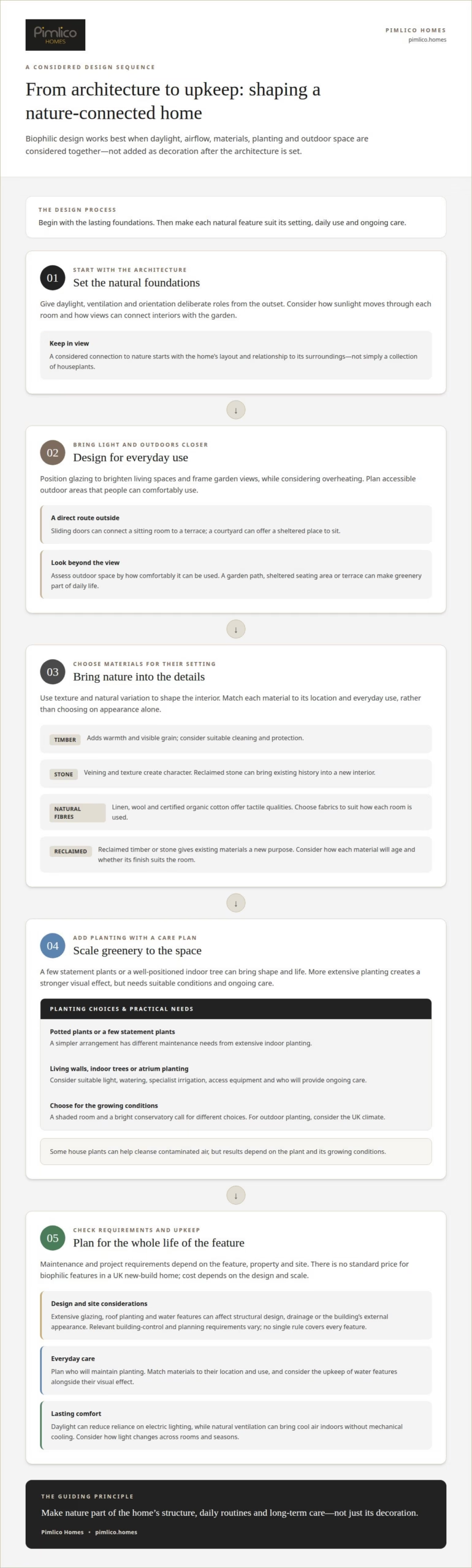
Natural, reclaimed and sustainably sourced materials
Material choices bring biophilic design into an interior through touch, texture and natural variation. Timber floors, stone surfaces and wool furnishings offer a different sensory experience from smooth synthetic finishes. Their character comes from grain, veining and fibre, so choose each element for its position and everyday use, not appearance alone.
For soft furnishings, consider linen made from European flax, British wool or certified organic cotton. Linen brings a relaxed, tactile quality to curtains or upholstery, while wool adds softness underfoot and to seating. Natural fibres can soften acoustics and help regulate temperature in a home. Choose fabrics to suit how each room is used: a busy family space has different demands from a quieter bedroom.
Stone and ceramics add distinctive detail without relying on generic decoration. Marble or travertine can create a lasting focal point on a hearth or tabletop; handmade ceramics bring subtle differences in shape and glaze. Reclaimed stone adds existing texture and history to a new interior. Treat natural variation as part of the design, rather than expecting every surface to look identical.
Sourcing matters too. Reclaimed timber or stone gives existing materials a new purpose, while sustainably sourced options support a more considered specification. Consider where each material will be used, how it will age and whether its finish suits the room. Strongly veined stone can anchor a restrained palette, while timber can add warmth alongside cooler stone.
Water offers another natural element. A small fountain or reflecting pool can introduce movement and a calming presence, particularly beside stone or planting. Its scale should suit the space, and upkeep should be considered alongside the visual effect. A considered combination of timber, wool, ceramics and water can layer texture without making an interior feel crowded.
Architectural foundations of biophilic design
Biophilic architecture builds a connection with nature into a home’s structure and layout. Daylight, ventilation, orientation, natural materials and usable outdoor spaces all contribute. In a new build, these elements can be considered during the initial design, allowing window positions, room arrangements and access routes to work together. Planting can then complement the architecture rather than carry the whole design.
Orientation shapes how daylight enters rooms and how glazing performs. Carefully positioned windows can bring light into living areas while limiting excessive solar gain. A skylight can brighten a central hallway away from external walls. Sliding doors onto a terrace extend a dining room outdoors, making the route practical as well as visually appealing.
Airflow also depends on the plan. Strategically placed doors and windows can support natural ventilation, allowing air to move through the home instead of remaining still. Cross-ventilation is one example: openings on different sides create a route for air through connected spaces. Room layout matters too. An open-plan kitchen and sitting area can help airflow travel across shared living spaces.
Outdoor areas need usable proportions, not just a pleasing view. A deep courtyard with space for seating offers a different experience from a narrow planted strip. A sheltered terrace beside a kitchen can support everyday dining, while a garden path creates a route through greenery. These details make outdoor space part of the home’s everyday experience.
For a cohesive result, consider how orientation, room layout, openings and outdoor access relate before settling the interior palette. The strongest design choices serve both function and form, shaping an aesthetic that feels connected to its setting. Explore nature-led home design as part of planning a considered new build.
Pimlico Homes
Pimlico Homes creates luxury homes for buyers considering how architecture, natural materials and outdoor space shape everyday living. Its luxury detached homes, executive courtyard homes, bespoke luxury homes and luxury barn conversions offer distinct settings to consider alongside priorities such as daylight, garden access and the balance between indoor and outdoor spaces.
These choices matter early, because a home’s layout and relationship with its surroundings affect how naturally biophilic features fit. When considering a new home, think about your preferences for light, greenery and materials, and which setting best supports the way you want to live.
For a considered conversation about your home requirements, contact Pimlico Homes.
Shape your next home around the way you live
Treat biophilic design in luxury new build homes as a framework for shaping daily life, rather than a decorative style added at the end. Before settling on a layout, picture an ordinary week: where you pause, gather, work and seek quiet. Those routines help separate essential priorities from attractive additions, giving design decisions a clear starting point.
A thoughtful home is not defined by one feature, but by how well its choices support your routines over time. Consider what should feel effortless and which compromises you would prefer to avoid. That clarity gives the next conversation purpose, while leaving room for the architecture to respond to the site and your preferences. When you are ready to explore your priorities, discuss your plans with Pimlico Homes and take the next step with confidence.
Frequently Asked Questions
What is biophilia?
Biophilia describes people’s affinity with nature and living systems. At home, it can shape how natural forms, materials and outdoor views feature in everyday surroundings. A timber staircase, a framed view of mature trees or natural patterns in stone can connect a room with the natural world without turning it into a greenhouse.
Does it hold value over time?
Nature-connected qualities can have lasting design appeal, although they do not guarantee a particular resale value. Consider features that remain useful as tastes change, such as comfortable daylight, an attractive garden outlook and durable materials. A dramatic indoor water feature may depend more on personal preference and ongoing care, so weigh its everyday enjoyment against its maintenance needs.
Is biophilic design just about adding plants?
No. Plants are one visible element, but biophilic design also draws on natural patterns, textures, views and sensory contrasts. A room might pair a quiet garden outlook with tactile stone and the changing shadows of a tree. These choices bring nature into the experience of a space, even where extensive planting would be impractical.
Why consider biophilic design for your home?
Consider it if you want your home to feel connected to its setting and support the way you spend time there. A reading nook facing a garden, for example, creates a different atmosphere from one facing an internal wall. Thinking about these moments during design can make a home feel more personal, rather than relying on decorative features alone.
What is biophilic design in luxury new-build homes?
Biophilic design makes nature part of a home’s architecture, materials and daily experience. In a luxury new build, that might mean a carefully framed landscape view from a principal room, natural finishes chosen for their character, or a transition between a dining space and a sheltered garden. The aim is coherence, not simply lavish planting.
How can architects incorporate natural light, views and greenery into a new-build home?
Architects can map daylight and sightlines against the intended use of each room. A kitchen might benefit from a clear garden view, while a bedroom may need privacy alongside useful morning light. Window placement, internal doorways and planting locations can be considered together, allowing greenery to frame views without blocking daylight or circulation.