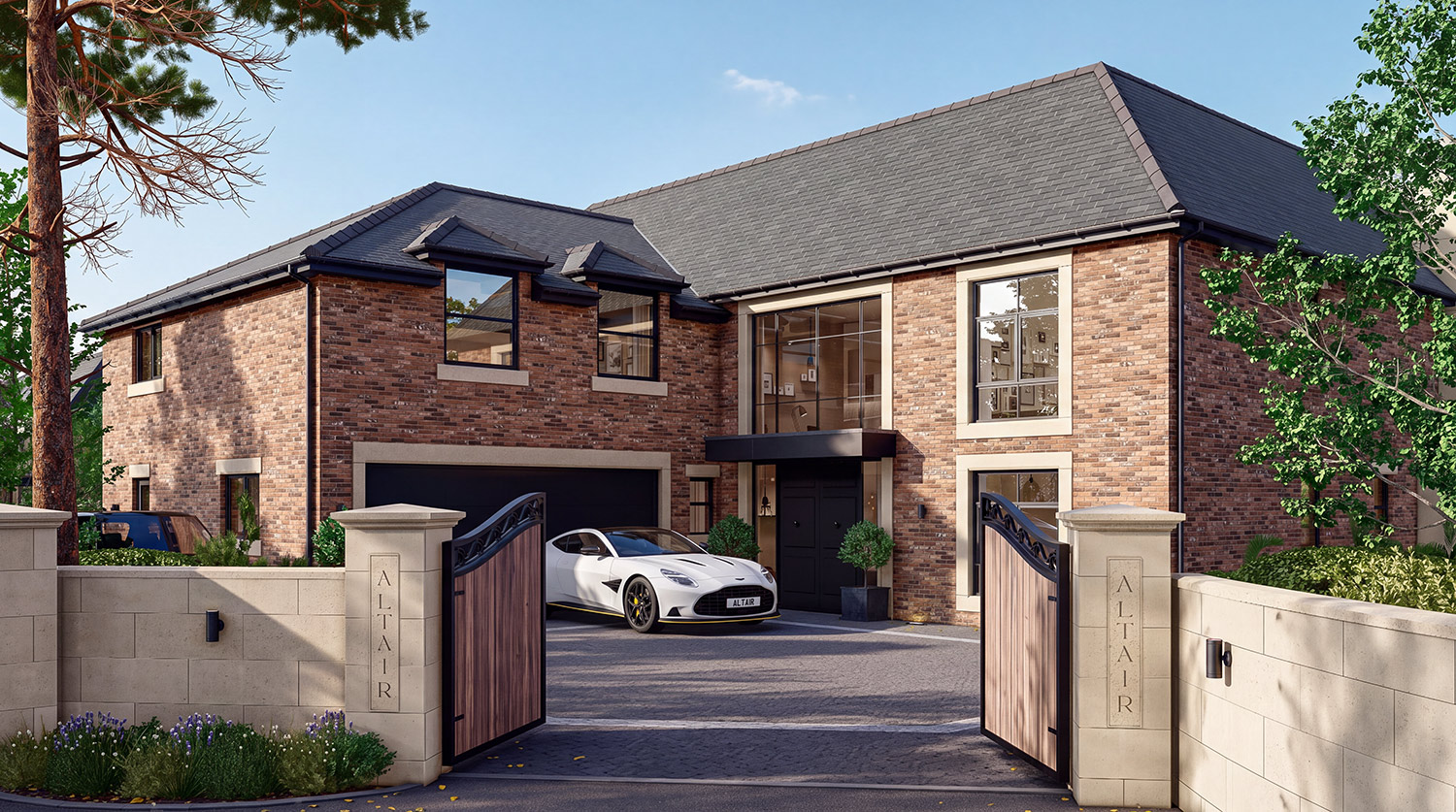
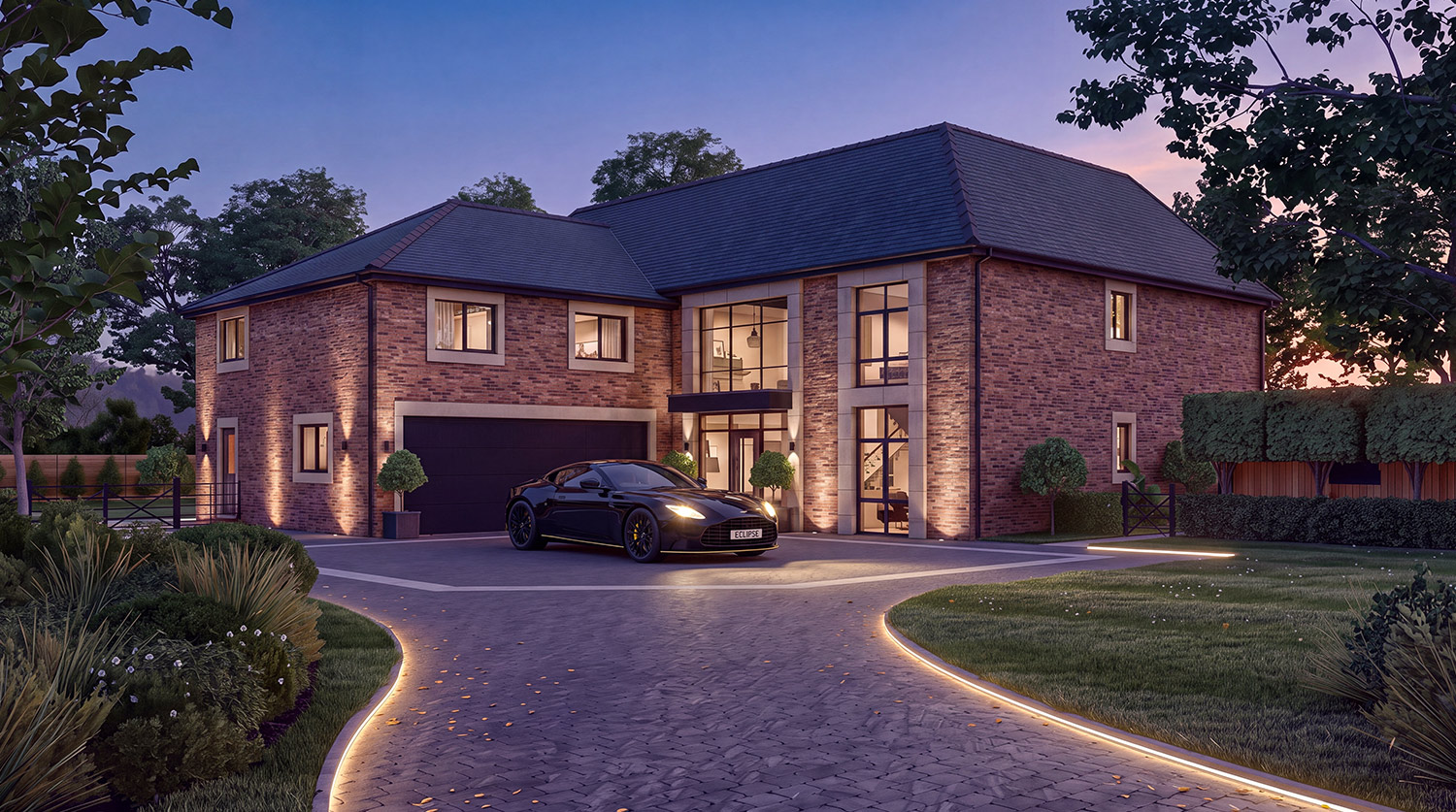
A private garden needn’t mean giving up convenient access to the city. For buyers considering executive courtyard homes, the balance depends on the property’s setting and how its outdoor space fits everyday life. With local shops and supermarkets just a short walk away, alongside direct transport links to major hubs, everyday practicality is always within reach.
That blend of privacy and practicality is part of the broader appeal. These developments offer a distinctive setting for a new home, but the experience can vary by location. Nearby amenities, transport connections and the journey into the centre all shape how well a property fits your routine, ensuring you never feel isolated.
This guide covers what to consider when looking at courtyard properties from Pimlico Homes, from private gardens and new-home options to local shops, transport and city access. It also explores nearby attractions and differences between locations, helping you picture not only the home itself but how it could support the way you want to live.
Key Takeaways
- Compare each home’s setting with your daily routines, including access to local amenities, transport and Durham city.
- Assess how a private courtyard or garden could support relaxation, entertaining and outdoor play.
- Explore the range of new-home options in Durham, and consider which layout and surroundings best suit your priorities.
- Look beyond the property itself to nearby attractions and the character of the wider area.
- Learn when an executive courtyard home or another luxury home style may be the right fit for your next move.
Local shops, transport and amenities
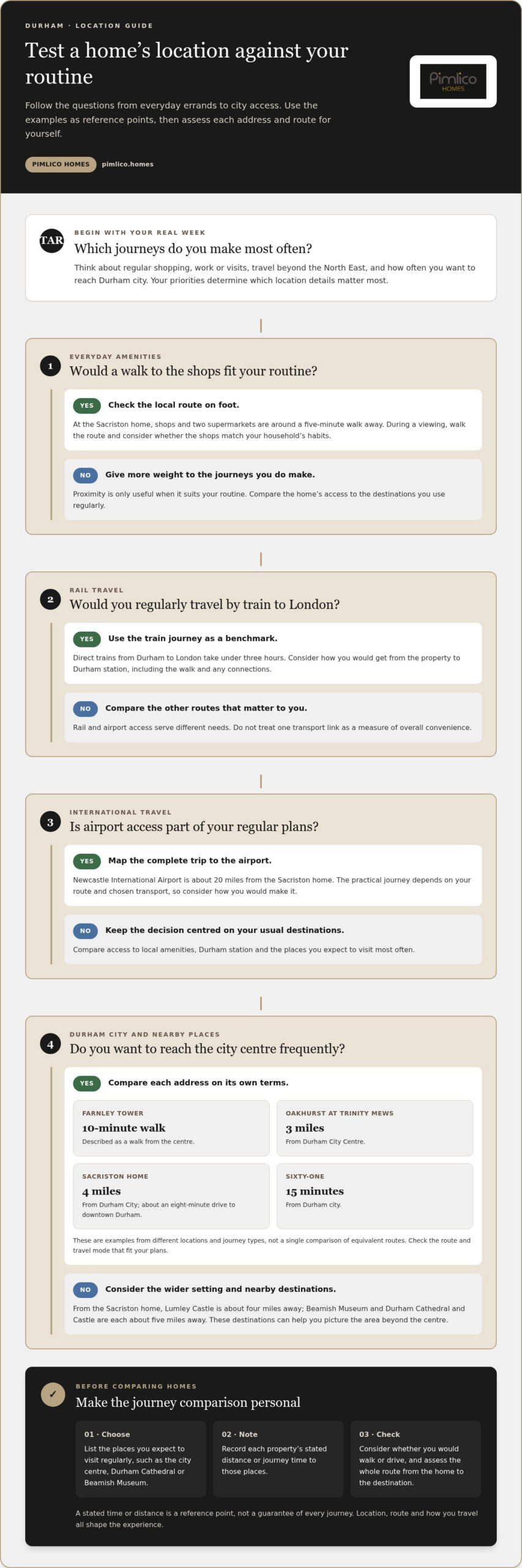
Durham offers rail connections and nearby everyday shopping, though the details vary by location. For a home around Sacriston, compare the journey into Durham with the walk to local shops.
Transport links
Durham’s rail connection is useful for journeys beyond the North East. Direct trains from Durham to London take under three hours, offering commuters and frequent visitors a clear benchmark. Consider how often you expect to travel, then weigh station access against the convenience of the home’s setting.
For international travel, Newcastle International Airport is about 20 miles from the Sacriston home. That distance helps frame airport access, although the practical journey depends on your route and chosen transport. When viewing a property, consider how you would reach Durham station or the airport from its location, and whether that journey fits your regular plans.
Rail and airport access serve different needs. A London train may matter most for regular work or visits, while proximity to an airport may suit frequent international travel. Compare the connections that matter to your routine rather than treating one transport link as a measure of overall convenience.
Location shapes the first and last part of every journey. For each home you view, map the route from the front door to the station or onward transport. Consider the whole journey, including the walk, connections and destination, rather than just the distance between two places.
Local amenities
Everyday shopping is close to the Sacriston home: shops and two supermarkets are around a five-minute walk away. That can make routine errands easier to fit around work, family commitments or time at home. Consider which shops you use most and whether the route is practical for regular visits.
Proximity is only one part of the decision. Think through a typical week: a quick supermarket visit, picking up essentials or combining errands with another journey. A five-minute walk is a useful reference point, but its value depends on how well those amenities match your household’s habits.
During a viewing, assess local amenities as part of the wider setting. Walk towards the shops and supermarkets, notice how the route connects with the home, and consider whether you would use it in everyday life. This turns a map-based estimate into a personal judgement.
For buyers comparing executive courtyard homes in Durham, transport and amenities belong in the same location assessment. List your regular destinations, then compare each home’s access to shops, Durham station and Newcastle International Airport. These practical details help show whether a location supports the life you intend to lead.
Distance from Durham city and nearby attractions
Durham’s appeal extends beyond the city centre, with historic landmarks and established neighbourhoods shaping the wider setting. Distances vary between homes, so compare the journeys that matter most to your routine.
Sacriston offers one example of access to the city from beyond its centre. The home there is four miles from Durham City and about an eight-minute drive from downtown Durham. That gives buyers a practical reference point, but your regular route and preferred way to travel determine how convenient the location feels.
Nearby destinations add another dimension. From the Sacriston home, Lumley Castle is about four miles away, while Beamish Museum is about five miles away. Durham Cathedral and Castle are also about five miles from the home, putting major heritage attractions within reach for days out or visits from family.
For buyers drawn to Durham’s historic character, the city itself is a distinctive backdrop. Durham is a UNESCO World Heritage city, and Durham Cathedral is one of the UK’s iconic landmarks. Durham Castle has been part of the city’s history for over 1,000 years. These landmarks contribute to the area’s identity, while the surrounding neighbourhoods offer different balances of city access and residential quiet.
Specific property examples show how varied those distances can be. Oakhurst at Trinity Mews is three miles from Durham City Centre, whereas Farnley Tower is described as a 10-minute walk from the centre. These are different locations, not a single guide to every home. Compare each address on its own merits, especially if walking into the centre is part of your usual routine.
Use a simple viewing checklist to make comparisons meaningful:
- Choose the destinations you expect to visit regularly, such as Durham Cathedral, the city centre or Beamish Museum.
- Note each property’s stated distance or journey time to those places.
- Consider whether you would travel on foot or by car, and how each option fits your plans.
Distance can shape everyday convenience, but it also affects how you experience Durham’s cultural setting. A home closer to the centre may suit frequent visits to the Cathedral and Castle; a setting beyond the centre may place other destinations more naturally within reach. For a broader view of new homes in Durham, compare location alongside layout and the way you want to use your outdoor space.
Other locations provide useful points of comparison when weighing access to the city. Sixty-One is 15 minutes from Durham city, while Durham railway station is 800m from Victoria Terrace. These details describe different places and types of journey, so consider which starting point and destination are most relevant to your plans. A stated time or distance is a helpful reference, rather than a guarantee of how long every trip will take.
The Sacriston home is 4 miles from Durham City, about 4 miles from Lumley Castle, about 5 miles from Beamish Museum and about 5 miles from Durham Cathedral and Castle. Comparing these destinations with the routes that matter to you can help clarify whether a home’s setting suits your routine. When viewing, consider which places you expect to visit most often and whether the available journey options make those visits convenient. That can make location comparisons more specific to your needs.
New homes in Durham
Durham offers contrasting settings for new homes, from detached houses to substantial properties near the city. Compare layout, scale and tenure before deciding which development suits your plans.
Executive courtyard homes differ from other Durham developments in their courtyard-led layout and private outdoor setting. Compare each home’s design, room arrangement, garden and location against your priorities, rather than relying on the development label alone.
Planning permission and building regulations apply to new homes, with requirements shaped by the site and proposed design. Factors such as access, layout and construction details influence what can be built. The development’s planning and building documentation explains the decisions involved.
Home types and sizes
Durham’s new-home choices include detached properties and larger residences. The Hereford at Beauford Park in Witton Gilbert is advertised as a five-bedroom detached home, while Oakhurst at Trinity Mews offers almost 4,000 sq. ft. of accommodation. These examples show different scales, not a standard size for every development.
With a courtyard layout, look beyond the bedroom count. Consider how rooms connect, whether the private outdoor area is accessible from everyday living spaces, and how the accommodation suits your household. A floor plan helps you compare these details consistently.
Developments may offer homes for purchase or rent, depending on their tenure. This guide focuses on homes to buy; rental homes are a separate option, not a measure of whether a development suits an owner-occupier.
Reviews and resident feedback can reveal how a development feels after move-in, but look for specific, recurring points rather than treating one account as definitive. Consider construction quality, shared areas and how well the layout works in practice. Site conditions, design choices and your intended use are all practical considerations alongside the home itself.
Comparison with other developments
Compare a courtyard home with other Durham developments across consistent criteria: property type, internal space, outdoor arrangement and setting. A five-bedroom detached home such as The Hereford offers a useful comparison in scale, while Oakhurst’s almost 4,000 sq. ft. illustrates a different measure of accommodation.
These examples do not establish that one style is superior. A detached home may prioritise a conventional house layout, while a courtyard design makes the relationship between rooms and enclosed outdoor space central to the experience. Decide which arrangement better supports your routine.
Before choosing, note the features that matter most, then compare each development’s plans and particulars against your list. For executive courtyard homes in Durham, pay particular attention to the courtyard’s position, the flow between indoor and outdoor areas, and the home’s wider setting. This keeps the decision focused on how you intend to live, not just the development’s name.
Private garden and outdoor play area
Executive courtyard homes are valued for private outdoor space, with the courtyard or garden shaping the connection between indoor rooms and the outdoors. Features vary by design, so assess the actual garden, access and layout rather than assuming every home offers the same facilities.
A private garden can serve several purposes throughout the day. Depending on its layout, it may provide space for outdoor play, quiet reading, planting or entertaining. Picture a typical weekend: where would children play, where might you sit, and how would you move between the house and garden? These questions reveal whether the space suits your household.
Privacy is another practical consideration. Look at the garden from adjoining rooms and consider what is visible from neighbouring homes or shared routes. A courtyard can create a more enclosed outdoor setting, but surrounding walls, windows and entrances affect how private it feels. During a viewing, stand in the garden and look back towards the living spaces.
For outdoor play, assess the usable area and the route from the house. A clear view from a frequently used room may make supervision easier. Consider whether the garden’s surfaces and layout suit the activities you have in mind, from play equipment to a simple patch of open ground. These are points to assess during a viewing, not features to assume every property has.
- Access: Check how easily the garden connects with the rooms you use most.
- Privacy: View the space from inside and outside, including nearby sight lines.
- Use: Match the layout to play, seating, planting or entertaining.
- Upkeep: Consider how much time you want to spend caring for planted areas or paved surfaces.
Nearby outdoor space can complement a private garden. The Sacriston home is a two-minute walk from a park and playing field, offering a local option beyond its own grounds. Compare that access with the garden itself: a nearby park may support active play, while private outdoor space offers convenience at home.
Use a viewing to test the garden against your daily routine. Walk from the kitchen or main living area to the outdoor space, identify where you would sit or play, and note which parts feel sheltered or overlooked. For buyers comparing executive courtyard homes in Durham, this practical exercise helps distinguish a garden that looks appealing from one that genuinely supports everyday life.
A floor-area figure can help with comparisons, but it should not be mistaken for an outdoor measurement. Modern 4Bed Home Durham Sleeps 8 Parking & WiFi in Durham has an area of 1098 square feet. That figure describes the home’s area, not the garden’s usable dimensions, so it cannot replace checking the outdoor layout in person. Ask which parts of the grounds are private and assess the space directly, especially when comparing homes with different layouts.
Private housing in Britain was valued at more than 5.6 trillion. That broad market figure does not indicate the size, privacy or usefulness of any one garden; those depend on the individual property. For a practical comparison, note what the garden can accommodate, how easily it is reached from living areas, and whether its upkeep fits your routine. Keep the home’s stated area and the garden’s real-world function as separate considerations when deciding whether the outdoor space works for you.
Where are Executive Courtyard Homes located in Durham?
Homes around Durham are found in city neighbourhoods and surrounding villages, so location is not a single fixed point. Compare each address with your preferred setting, daily destinations and the surroundings you value.
Named locations within Durham include Crossgate Moor, Bearpark and Langley Moor. Further examples include Sacriston, East Rainton and Witton Gilbert. These place names illustrate the breadth of the local market, not a guarantee that every home style is available in every area. Start with the address of the property you are considering.
City and village settings can offer different experiences. A home in Durham may place you in an established urban neighbourhood, while a village location such as Witton Gilbert or Sacriston offers a different relationship with the city. Neither is automatically the better choice. Let your priorities, including privacy, local surroundings and regular journeys, guide the comparison.
Named developments illustrate the variety of locations. Oakhurst is at Trinity Mews in Durham, while The Hereford is at Beauford Park in Witton Gilbert. Other Durham-area property examples include Greenbrook Drive in East Rainton and homes in Crossgate Moor. Treat these as location references, then assess each address on its own merits.
Start a practical comparison with a map and a short list of destinations. Mark your workplace, family connections, shops and places you visit regularly. Then consider how each address relates to those points, rather than relying on a broad description such as “near Durham”. This makes differences between city, village and outlying settings easier to understand.
Use property particulars to establish the exact location, then consider the immediate surroundings during a viewing. Look at the approach to the home, nearby buildings and how the outdoor space relates to its setting. The same courtyard layout may feel quite different in a city neighbourhood than in a village.
- Identify the address: distinguish the property’s location from the wider Durham area.
- Compare the setting: consider city locations such as Durham alongside villages such as Sacriston or Witton Gilbert.
- Map your routine: assess how each address relates to the destinations that matter to you.
For executive courtyard homes in Durham, the address is part of the decision, not a detail to leave until later. Explore Durham home locations as you compare settings and consider which best fits your plans.
Pimlico Homes: Luxury Detached Homes
Pimlico Homes brings together luxury homes for buyers seeking a considered fit between design, setting and daily life. Its Executive Courtyard Homes may suit those who value private outdoor space closely connected to the home, while Luxury Detached Homes offer a different style of property.
For a more individually shaped home, consider Bespoke Luxury Homes. Luxury Barn Conversions offer a different character, bringing a heritage building type into a residential setting. The right choice depends on the home you envisage and the features that matter most to your household.
If you are weighing these options for your next move in Durham, contact Pimlico Homes to discuss your requirements.
Shape your next move in Durham
Choosing a home is also an opportunity to define what matters most in your next chapter. If executive courtyard homes in Durham appeal to you, consider which design details would make everyday life feel more considered, from the connection between rooms to the character of your private outdoor space.
Pimlico Homes offers Luxury Detached Homes, Executive Courtyard Homes and Bespoke Luxury Homes. Each provides a different starting point for buyers exploring executive courtyard homes in Durham and considering the style that best reflects their plans. Think about the qualities you value most and how you want your home to support them.
If you are ready to explore those possibilities, contact Pimlico Homes about Durham homes. A thoughtful next step can help bring your priorities into sharper focus and move you towards a home that feels distinctly your own.
Frequently Asked Questions
What defines an executive courtyard home?
Executive courtyard homes are high-end properties arranged around a courtyard or private outdoor area. In Durham, layouts and features differ, so examine how the courtyard connects with the living spaces and how the design supports your routine. When considering executive courtyard homes in Durham, think about privacy, access and how you would use the outdoor space throughout the year. These details help you judge whether this style suits your priorities.
What transport links and amenities are near these homes?
Transport links and amenities depend on each property’s address. For example, a home in Sacriston is a five-minute walk from a bus route into Durham, with a park and playing field nearby. When considering executive courtyard homes in Durham, assess the specific routes and facilities around each property against your regular journeys, errands and leisure plans. Access varies by location, so the address matters.