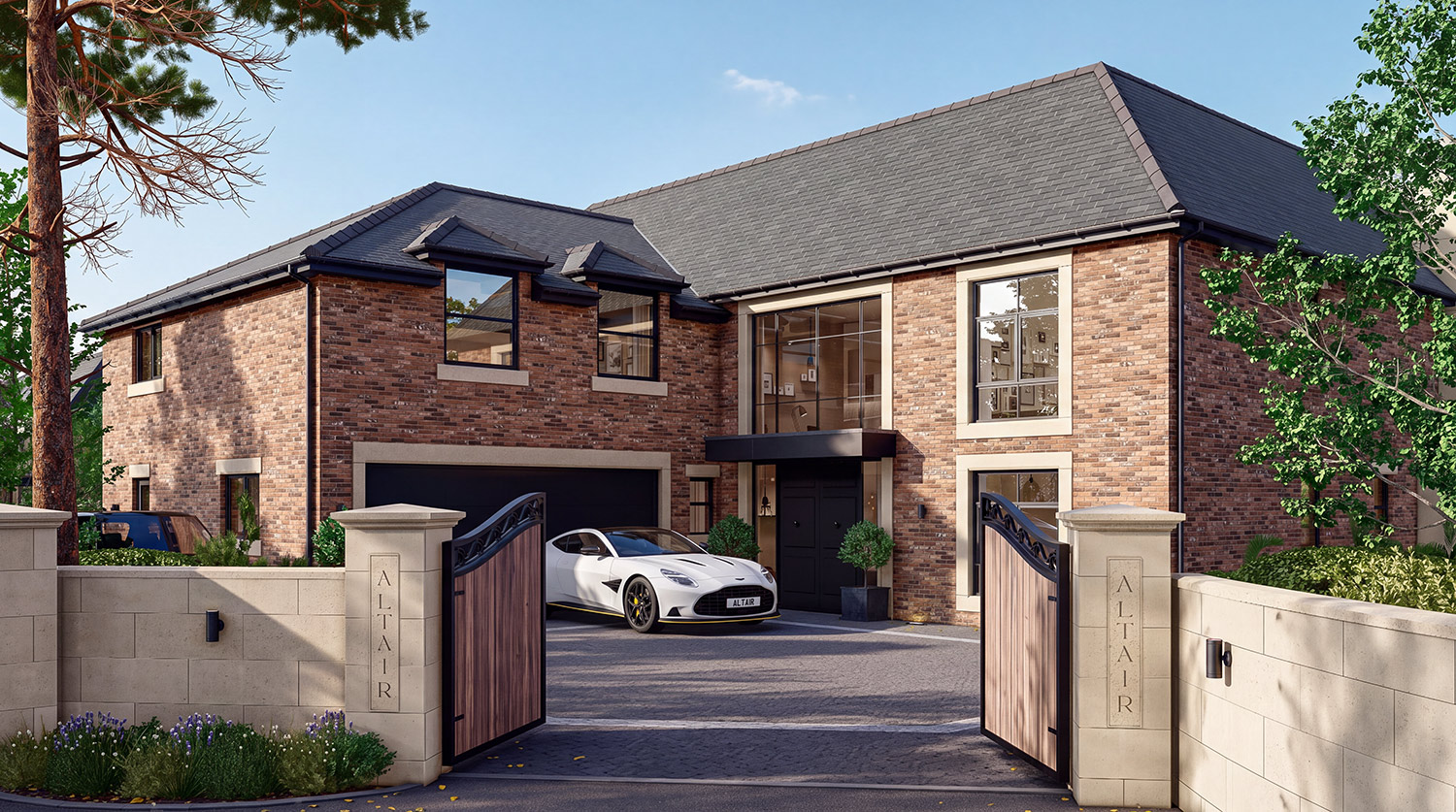
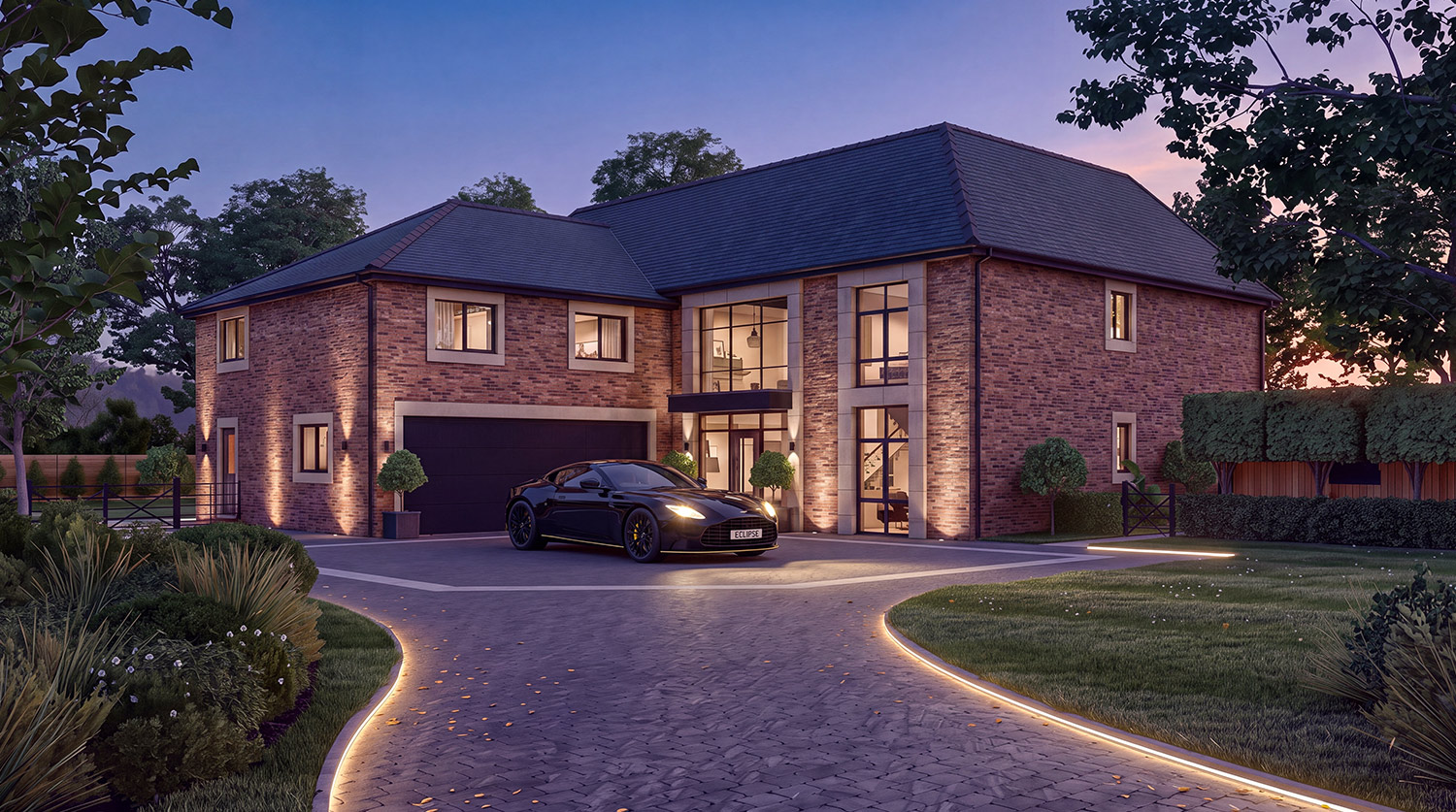
The newest home isn’t automatically the better choice. The new build vs old house pros and cons are best weighed against the way you want to live, from the feel of the rooms to the care a property may need over time. A contemporary home can offer a sense of ease and possibility; an older house may have proportions and details that make it feel distinctly its own.
It’s natural to feel pulled between character and convenience. Yet neither age nor appearance tells the whole story. Layout, condition, craftsmanship and scope for future changes all shape how well a home serves your household, now and over time.
This guide compares the practical and personal trade-offs of new-build and older homes. You’ll learn what to look at when considering maintenance, daily routines and the experience of making a home your own, as well as which details to examine before you decide. The right home is the one whose character, condition and design align with the life you want to build.
Key Takeaways
- The new build vs old house pros and cons depend on the home itself, not simply its age. Compare design, condition and how each property supports your daily life.
- Consider how room proportions, natural light and the flow between spaces will shape your household’s routines.
- Assess upkeep property by property. For an older home, pay particular attention to visible condition and available records; for a new home, review its specification and finish.
- Use the same checklist for each property: rank your priorities, view carefully, review its condition and specification, then weigh the trade-offs against your needs.
- A new build may suit you if its design and qualities align with your priorities. Craftsmanship, innovation and timeless design are worth considering alongside layout and condition.
New build vs old house: what is the difference for a buyer?
A new build is generally a home newly constructed for sale; an older house is an existing property with a history of occupation and change. These descriptions set the scene, but they don’t settle the decision. A newly built home can vary in layout and finish, just as an older property can be carefully maintained, altered or in need of attention. Compare the actual homes in front of you, not assumptions about their age.
A first look at the comparison
- Design: Compare the rooms, proportions and layout you’ll use every day.
- Condition: Record what you can see and review the information available about the home’s present state.
- Character: Notice whether you’re drawn to contemporary details or features shaped by a home’s history.
- Practical fit: Consider storage, privacy, light and the routes you’ll use most often.
- Priorities: Decide which qualities matter most to your household rather than relying on the age label.
The evolution of home construction helps explain why homes can differ in materials, techniques and design. But a broad account of changing practice can’t describe the particular property you’re viewing. Its upkeep, specification and suitability need to be assessed on their own terms.
What does new build mean when comparing homes?
In everyday property discussions, “new build” usually refers to a home newly constructed for sale. It is different from an older property that has been extensively updated: a new kitchen, refreshed finishes or substantial improvements don’t make an existing house newly built. There isn’t a single age threshold that settles every buyer’s comparison, so focus on the home’s history and what is actually being offered.
Nor does the label guarantee a uniform design. Layout, materials, finishes and specification can differ between developments and individual homes. Look beyond show-home styling: check the rooms, storage and features that will shape your routines. A considered new home can bring craftsmanship and timeless design together, but the qualities of that particular property are what matter to your decision.
What makes an older house different?
An older house has an established physical character and a history of use. Its proportions, original details or later alterations may give it a distinctive feel; they may also mean its present condition reflects many years of change. Don’t assume that age means charm or disrepair. A careful viewing and the records available can help you form a more grounded picture.
Compare the features you value, from the arrangement of rooms to evidence of ongoing care. Two older homes can differ greatly in condition and character, just as two new homes can differ in design and specification. This is the foundation of a balanced assessment of the new build vs old house pros and cons: assess each property as a whole, then consider how well it fits the life you want to lead.
Design, character and everyday living: where new builds and older houses differ
A home’s design is more than its appearance. It affects how daily life unfolds: whether the kitchen becomes a shared hub, where you can retreat for quiet, and how light moves through the rooms. Newer homes may favour contemporary layouts, while older houses can retain established forms and architectural details. Neither style guarantees a particular arrangement or makes one home better suited to every household.
How layout and design shape the way a home feels
Look at the proportions and connections between spaces, not just the finish. An open-plan kitchen and living area might make it easier to cook while keeping in touch with family; separate rooms may suit people who value distinct spaces for work, rest and entertaining. Notice where daylight falls during the day and whether the route between the entrance, kitchen and garden feels practical.
During a viewing, picture an ordinary weekday as well as a gathering with friends. Where would coats and bags go? Can someone read or work quietly while others use the main living area? Does the dining space work for everyday meals, or only when the room is rearranged? A traditional exterior may conceal a reconfigured interior, just as a contemporary façade doesn’t guarantee an open-plan layout. Let the rooms answer these questions.
Character, personalisation and the appeal of permanence
For some buyers, decorative details, distinctive proportions or the sense of a home shaped by previous generations create an emotional connection. Others are drawn to contemporary forms, considered craftsmanship and a coherent design. These preferences are personal, but they should sit alongside practical needs: a striking feature matters most when it works with how you use the room.
Scope for personalisation varies. An older house may already have been altered, while a new home’s specification and design differ from one development to another. Don’t assume that either can be changed freely. Separate what you admire from what your household needs, then consider how well each property brings the two together.
Use this short guide to turn impressions into useful questions:
| Priority | Question to ask yourself |
|---|---|
| Natural light | Do the main rooms feel bright at the times I’ll use them? |
| Room arrangement | Does the layout support our routines, privacy and entertaining? |
| Architectural character | Which details feel meaningful, rather than simply attractive at first glance? |
| Personalisation | Does the home already suit us, and what changes would we genuinely want? |
These questions make the new build vs old house pros and cons more personal and precise. The strongest choice is not necessarily the most fashionable or characterful; it is the home whose design feels right in practice. If thoughtful detailing and enduring design are high on your list, explore homes shaped by craftsmanship and timeless design as one perspective on contemporary living.
New build vs old house pros and cons: condition, upkeep and uncertainty
Condition is not determined by a property’s age. An older home may have been carefully maintained, while a newly built one still merits close attention to its finish and hand-over details. Assess what you can see, understand what records are available and note what remains unclear. This replaces assumptions with a more useful picture of the care each home may require.
What to weigh when considering an older home’s condition
Look at visible wear and the home’s history as separate sources of information. During a viewing, note issues such as damaged finishes, signs of moisture or doors and windows that do not operate smoothly. These observations don’t establish the cause, but they help identify areas that may need further attention. An immaculate surface is not, on its own, a complete record of the building’s condition.
Ask what is known about previous alterations and ongoing maintenance. Available documents may help build a picture of work carried out, though the detail varies from property to property. Where relevant, records of work and approvals can provide useful context. A suitable survey can offer a more informed assessment than age or appearance alone. An older house does not automatically need renovation; its present state and the evidence available matter more than a broad label.
What to consider about a newly built home’s finish
A newly constructed home is not beyond scrutiny. Review the specification so you understand the materials, finishes and features included in the property you are buying. At hand-over, take time to understand the information and items provided, and how the home’s systems are intended to operate. Clear expectations help you distinguish between the agreed finish and details that may need attention.
Snagging is a practical part of that process: inspect the home methodically and record visible imperfections or incomplete details. Check finishes in good light, open and close doors and windows, and look closely at joins, fittings and surfaces. This does not mean every issue will be found or that a new home will be defect-free. It is a measured way to document observations and understand the next steps for raising them.
Craftsmanship is experienced in the details, from consistent finishes to the way the home works as a whole. A considered specification and careful attention to design can shape everyday life, but no category of property removes the need to understand its condition and upkeep. Treat these as individual questions, not assumptions about “new” or “old”.
Think about future ownership separately from the inspection itself. A home’s current finish or condition cannot guarantee how it will be regarded later; priorities and circumstances can change. First establish what the property is like now, then weigh its likely demands against your household’s capacity and preferences. That is the practical heart of the new build vs old house pros and cons.
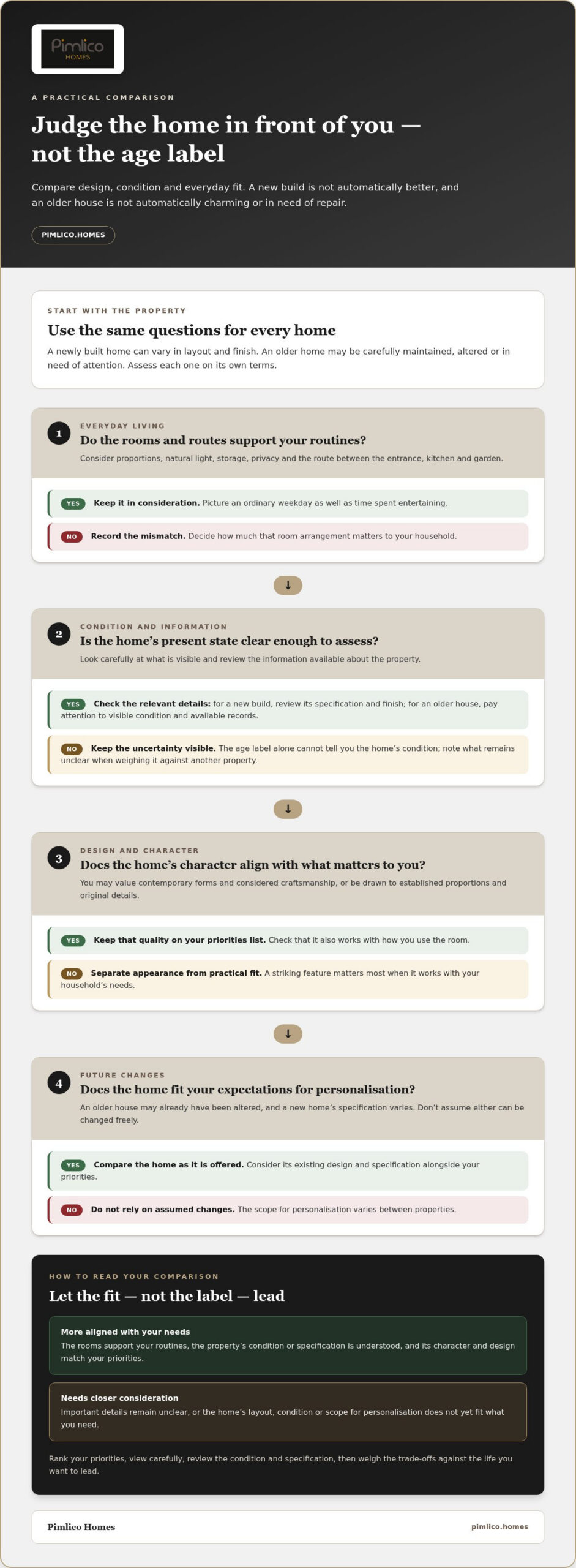
How to choose between a new build and an older house
A sound decision begins with your household, not a property label. Set out what daily life requires, then assess each home against the same priorities. This makes it easier to distinguish a genuine fit from a first impression, whether you’re drawn to contemporary design or the character of an established house.
Use this five-step framework to keep the comparison clear:
- Rank your priorities. List essential rooms, preferred layout and features that support everyday routines. Separate non-negotiables, such as a quiet place to work, from aesthetic preferences and desirable extras. Decide how much weight to give design, layout, maintenance and established character.
- View with daily life in mind. Picture ordinary mornings, time spent at home and the way your household might entertain. Notice how you move between rooms and whether the spaces feel practical for the people who will use them.
- Consider condition. Record what you observe and what remains uncertain. For an older house, note visible wear and available information about its history; for a new home, consider the finish and hand-over details. Treat each property as an individual case.
- Review the specification and documents. Understand what is included in the home and read the relevant information available to you. Note questions that need clarification as part of your purchase process rather than filling gaps with assumptions.
- Compare the trade-offs. Set your notes side by side. Identify which strengths matter most, what compromises each option involves and which concerns you feel prepared to manage.
Build a shortlist around how you want to live
Be precise about the spaces you need. A separate study may be essential for focused work, while a connected kitchen and living area may better suit a household that spends time together. Consider how needs could change without assuming a particular future. A flexible spare room may be valuable, but only if it earns its place against your other priorities.
Keep preference and practicality distinct. You might admire period details but need a layout that supports daily routines, or appreciate contemporary design while still wanting warmth and permanence. Ranking each quality helps prevent a striking feature from outweighing a more important requirement.
Compare the individual homes before deciding
Use the same notes for every viewing: layout, light, condition, specification, character and unanswered questions. Review the available property information and relevant purchase documents, then write a short summary of the trade-offs while your observations are fresh. This consistent method brings clarity without pretending every detail can be reduced to a score.
For broader purchase considerations, consult a dedicated luxury new-build purchasing guide alongside your property-specific checks. If a thoughtfully designed new home aligns with your priorities, explore Pimlico Homes’ new homes, shaped by craftsmanship, innovation and timeless design.
Choosing a new build: craftsmanship, design and the Pimlico Homes approach
The comparison is not a contest between new and old. A new build may be right for buyers whose priorities align with its particular design, specification and approach to living; an older house may better suit those drawn to its established character. Return to the criteria you have set: how the rooms work, which details you value, and the level of upkeep you feel prepared to take on. Then consider the home itself rather than relying on broad assumptions.
What a considered new build can offer
In a thoughtfully designed home, the experience is shaped by more than visual style. Room proportions, the relationship between spaces and the quality of the details all contribute to how the home feels in everyday use. Craftsmanship gives design intent a tangible expression, while innovation can bring fresh thinking to how a home is planned. Consider these qualities in the context of your own priorities, not as a universal case for choosing new.
For buyers who value individuality, a bespoke home can offer a considered expression of personal taste and design. The important question is how the choices made in a particular home relate to your routines and preferences. Look at the whole composition, from the way spaces connect to the details that lend them character. A clear design can make a home feel cohesive without requiring it to follow a passing fashion.
The Pimlico Homes commitment to quality and service
Pimlico Homes places emphasis on exceptional craftsmanship, innovation and timeless design. Design should feel considered, while craftsmanship is expressed through care in the details. These qualities don’t remove the need to assess a property against your requirements. They offer a perspective on what a new home can aspire to be when its design and execution are approached with care.
The Pimlico Pledge describes customer service from reservation through to hand-over of keys, recognising that choosing a home is a significant journey as well as a decision about architecture and layout. Buyers can consider that service alongside the home’s design and specification. The right choice remains personal, grounded in what the property offers and how well that aligns with the life you want to lead.
As you revisit the new build vs old house pros and cons, weigh design and service alongside your original priorities. A new home may resonate if you value carefully considered design, craftsmanship and a contemporary interpretation of lasting style. Pimlico Homes develops bespoke homes, executive courtyard homes, detached homes and barn conversions, each reflecting its focus on design and quality.
If that approach feels aligned with your aspirations, take a considered look at Pimlico Homes’ homes and the thinking behind them. Let the details guide you, then decide whether a new build feels like the right setting for your next chapter.
Choose the home that feels right for your next chapter
The decision is ultimately personal. Let the new build vs old house pros and cons clarify what matters most, then give yourself room to recognise the home that feels right in practice, not only on paper. The best choice is one you can imagine inhabiting with confidence, where the design supports your routines and the character feels like a natural fit.
For buyers drawn to considered design and craftsmanship, Pimlico Homes brings over 25 years of experience and presents its homes as Award Winning Homes. Consider these qualities alongside the particular details and feel of each property.
Take the next step at your own pace. Explore the Pimlico Homes collection and discover whether a home shaped by craftsmanship and timeless design could be the right setting for what comes next.
Frequently Asked Questions
Are new build homes usually more energy efficient than older houses?
Not invariably; performance depends on the individual home’s design, construction and any later alterations. Compare the property’s current Energy Performance Certificate (EPC) and available details on insulation, heating and windows, rather than relying on its age. A newer home may have been changed, while an older one may have been improved. This evidence gives you a more useful basis for weighing the new build vs old house pros and cons.
Can buyers personalise a new build before moving in?
Sometimes, but the options depend on the home’s design and where it is in the buying process. A home still being completed may offer different choices from one already finished, but don’t assume changes are available. Read the specification and purchase documents carefully, noting which finishes and fittings are included. Keep a separate list of preferences, such as a different colour scheme, so aspirations aren’t mistaken for agreed features.
Do older houses always need renovation?
No. An older house may be ready to occupy, have had selective updates or need attention; its age alone can’t tell you which. Look for evidence such as maintenance records, invoices for previous work and signs that repairs have been completed. Consider these alongside the property’s present condition. Equally, don’t presume a new home needs no attention. Assess each on its own evidence before deciding what level of work feels acceptable.
Is buying a new build always chain-free?
Not necessarily. A property chain exists when a buyer’s purchase depends on another sale, often because they need to sell their current home to fund or complete the move. A newly built property may be available without that link, but the buyer’s circumstances and transaction still matter. If your purchase depends on a sale or onward purchase, account for that as you consider the transaction and its timing.
What should a snagging inspection look for in a new build?
A snagging inspection records visible finishing issues or incomplete details for follow-up; it can’t guarantee that every issue will be identified. Work through each room methodically, checking surfaces, seals, hinges, handles, doors and windows. Photograph findings and note their exact location, then compare them with the home’s specification and hand-over documents. Keep a copy of your notes and understand the process for submitting observations.
Can an older house be adapted to suit modern living?
Some can, but feasibility depends on the structure, current layout and requirements that apply to the property. Replacing a finish is different from moving a wall, changing a staircase or altering an extension. Before treating an idea as practical, establish what it involves and whether permissions or specialist input may be relevant. A property-specific assessment can help you weigh likely disruption against the improvement you hope to achieve.